Former Union Trust Bank Executive Director Claims Unfair Treatment by Central Bank


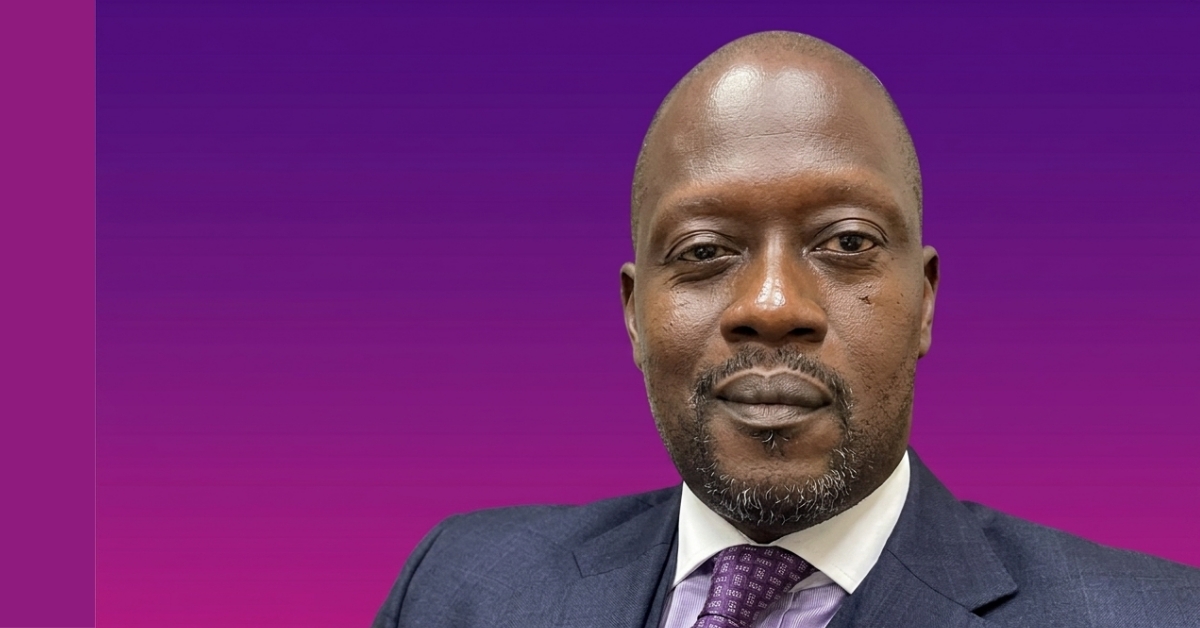
The former Executive Director of Union Trust Bank (UTB),Wusu Bai Koroma, claimed that the Bank of Sierra Leone treated them unfairly when their bank was liquidated. Koroma made this claim during an interview with Ecko Media.

The former Executive Director expressed deep disappointment over the closure, asserting that the indigenous financial institution was “unfairly treated” despite emerging from a prolonged period of financial distress and attracting viable recapitalisation offers.

During the interview, Koroma stressed UTB’s unique position in the nation’s financial sector as the only fully indigenous bank in Sierra Leone.

“We were the only indigenous bank in Sierra Leone, meaning we were the only bank owned and managed by Sierra Leoneans,” Koroma stated, noting that the bank’s stakeholders comprised both local corporate entities and individual Sierra Leonean citizens.

When questioned about why these shareholders failed to mobilise a bailout package before the Central Bank intervened, Koroma clarified that while they could not coordinate in time, internal conflict was not the cause. Instead, he pointed to a challenging six-year period of financial losses that had severely dampened investor confidence.

According to the former Executive Director, the bank’s leadership had recently managed to reverse its fortunes through rigorous restructuring.

“We took some prudent measures, we made a lot of sacrifices for the six years we were making losses,” Koroma explained. “But we turned things around.”

He noted that as the bank returned to profitability, interest from potential investors surged. In the months leading up to the liquidation, UTB reportedly received multiple financial injection offers from both domestic and international corporate entities and private investors.

Koroma revealed that UTB had forwarded concrete investment proposals to the Central Bank aimed at meeting the required minimum capital threshold. However, he claimed these submissions were entirely ignored by the regulator.

“We had proposals that we sent to the Central Bank. They were not responded to, they were neither acknowledged… they were never even addressed,” Koroma said, adding that the Central Bank failed to engage with the interested investors to review their terms.

When asked how he felt seeing the institution slip away, Koroma did not mince words: “Unfairly treated. As a Sierra Leonean, as a Sierra Leonean business, unfairly treated.”

The Bank of Sierra Leone has maintained that its actions against non-compliant financial institutions are strictly regulatory measures intended to protect depositors and maintain the stability of the country’s financial system.


Source link

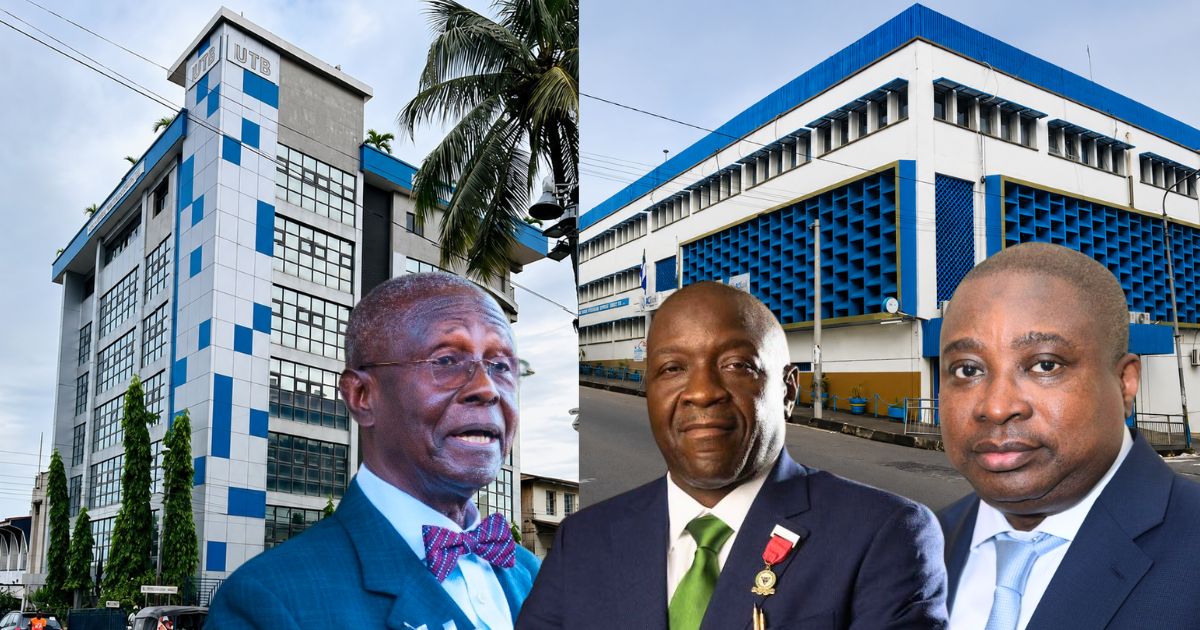
Why Union Trust Bank Was Closed And Transferred to Rokel Commercial Bank


The Bank of Sierra Leone (BSL) has provided detailed reasons behind the resolution of Union Trust Bank Limited (UTB), describing the move as a necessary regulatory intervention aimed at protecting depositors, maintaining confidence in the banking sector, and safeguarding financial stability.

Speaking at a press conference held today at the Bank of Sierra Leone headquarters in Freetown, Governor Dr. Ibrahim L. Stevens explained that UTB had become insolvent after years of failing to meet the minimum capital requirements prescribed under the Banking Act, 2019.

According to the Governor, UTB’s paid-up capital stood at only NLe33.82 million as of December 2025, significantly below the required NLe122 million under the first phase of the banking sector capital framework. The bank had also accumulated retained losses of NLe328.52 million, resulting in a severely negative capital position.

Dr. Stevens noted that the Bank of Sierra Leone had engaged extensively with UTB over several years to help restore its financial health. In September 2020, the institution was placed under Enhanced Supervision, with a Resident Examiner deployed to closely monitor its operations.

Despite repeated directives requiring shareholders and management to inject additional capital, strengthen governance, improve asset quality, and restore profitability, the bank was unable to recover.

An independent diagnostic and forensic review conducted by Ernst & Young Ghana in September 2024 confirmed that UTB’s financial condition had deteriorated significantly. The review found negative Tier 1 capital, worsening asset quality, failure of previous restoration plans, and no realistic prospects for recapitalisation under the existing ownership structure.

The Governor said that after exhausting all reasonable recovery options, the Bank of Sierra Leone concluded that resolution was the only viable course of action.

To facilitate an orderly resolution, the central bank conducted market-sounding exercises, engaged potential investors, worked closely with the International Monetary Fund (IMF), and secured government support to bridge any funding gap required to protect depositors.

Following a fit-and-proper assessment, Rokel Commercial Bank (RCB) was selected as the acquiring institution.

On December 8, 2025, UTB was formally placed under resolution for a six-month period under the Banking Act, 2019. A Caretaker Management Team was appointed, while Kreston Accountants SL Ltd was engaged to facilitate the transfer process and manage the bank’s non-performing assets.

Under the Purchase and Assumption (P&A) framework adopted by the Bank of Sierra Leone, UTB’s performing assets and customer deposits have been successfully transferred to Rokel Commercial Bank. Non-performing and impaired assets were excluded from the transfer and remain under the management of Kreston Accountants SL Ltd for recovery and orderly wind-down.

The Governor also announced that all UTB staff would be transferred to Rokel Commercial Bank. Additionally, the Government of Sierra Leone has agreed to fund the payment of End of Service Benefits for all affected employees, citing social stability and employee welfare considerations.

The transfer process was successfully completed on June 16, 2026.

Dr. Stevens emphasized that the resolution was not a conventional corporate takeover but a regulatory action carried out under the provisions of the Banking Act, 2019, and aligned with international best practices for bank resolution.

He concluded that the successful completion of the transfer marks an important milestone in strengthening the resilience, stability, and credibility of Sierra Leone’s banking sector while ensuring the protection of depositors and the broader financial system.


Source link

Union Trust Bank Ceases Operations as Rokel Commercial Bank Completes Acquisition


Union Trust Bank (UTB) has officially ceased operations, with Rokel Commercial Bank (RCB) completing its acquisition of the struggling indigenous bank on June 17, 2026.

The Bank of Sierra Leone (BSL) announced the takeover during a staff meeting on June 16, with Deputy Governor for Financial Stability Alfred W. B. Samah informing employees that UTB would cease to exist effective that day . RCB will assume control of UTB’s operations starting June 17.

The central bank’s decision follows years of regulatory intervention, with Samah revealing that Union Trust Bank had been unable to meet capital requirements since 2018.

“The state of Union Trust Bank today is so poor that one could meaningfully argue that it should be handed over to a liquidator,” Samah told staff. He disclosed that the bank’s net worth had deteriorated to approximately negative Le515 million and projected obligations had reached Le270 billion up to 2027.

“If you sold everything that Union Trust Bank owned and added all the proceeds together, there still would not be enough money to pay all customers their deposits,” he stated.

The central bank had requested capital restoration plans on multiple occasions, but retained earnings became negative and the bank’s financial position deteriorated significantly. Development partners including the IMF and World Bank shared concerns about UTB’s financial health, with the World Bank funding an assessment in 2024 that produced “not encouraging” findings.

The decision represents a resolution action rather than liquidation, Samah clarified. “Resolution is not liquidation. Resolution is a process whereby, when the financial condition of a financial institution becomes severely impaired, the Central Bank intervenes, takes control of the institution, and seeks to restore stability without causing disruption to the financial system.”

The central bank had placed UTB under caretaker management in early December 2025, shortly after the passing of the bank’s founder, Dr. James Sanpha Koroma. Dr. Koroma, a former Bank of Sierra Leone Governor, established UTB in 1995 as Sierra Leone’s first indigenous commercial bank.

Union Trust Bank shareholders are calling for justice and transparency regarding what they describe as a “criminal takeover.” The shareholders maintain that within one week of the central bank’s intervention, they secured the required capital through a Sierra Leonean business investor and submitted relevant documentation to the Bank of Sierra Leone in December 2025.

However, they state that no formal acknowledgment or substantive response has been received from the central bank, with more than six months having passed without resolution.

The owners have sought legal redress through the courts but remain concerned about the lack of progress in proceedings.

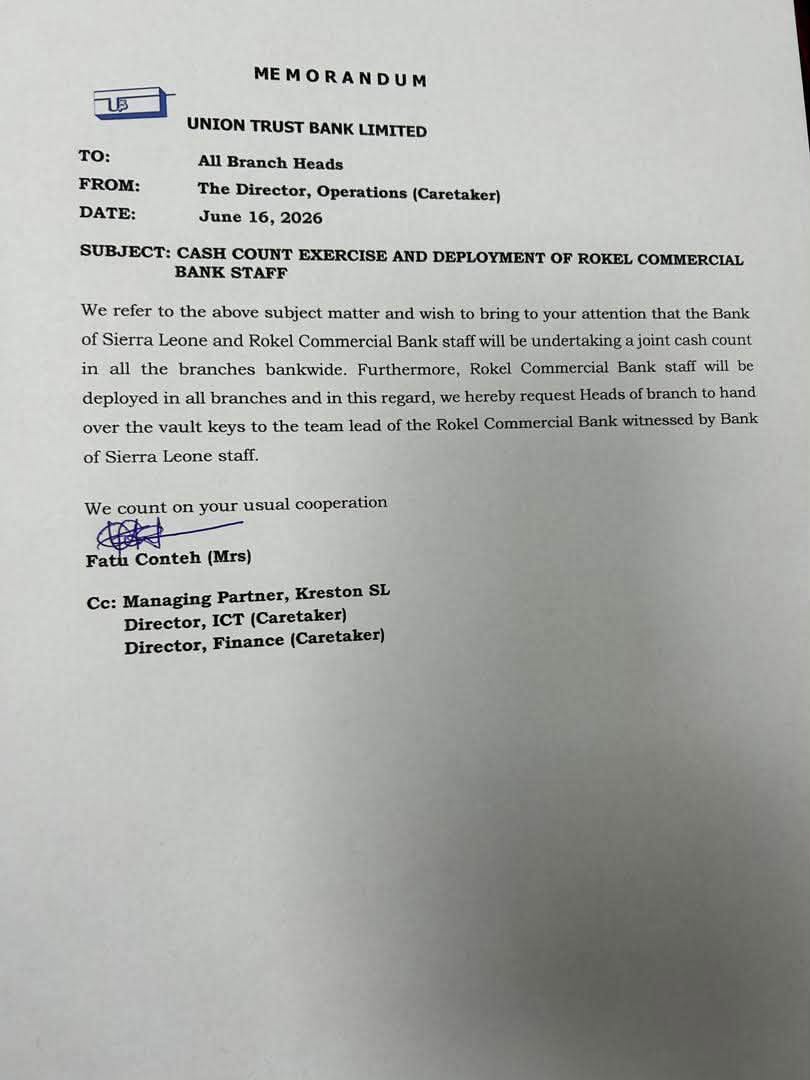
Meanwhile, internal memoranda indicate that RCB staff will be deployed across all UTB branches. A joint cash count exercise will be undertaken, with branch heads instructed to hand over vault keys to RCB team leads witnessed by Bank of Sierra Leone staff.

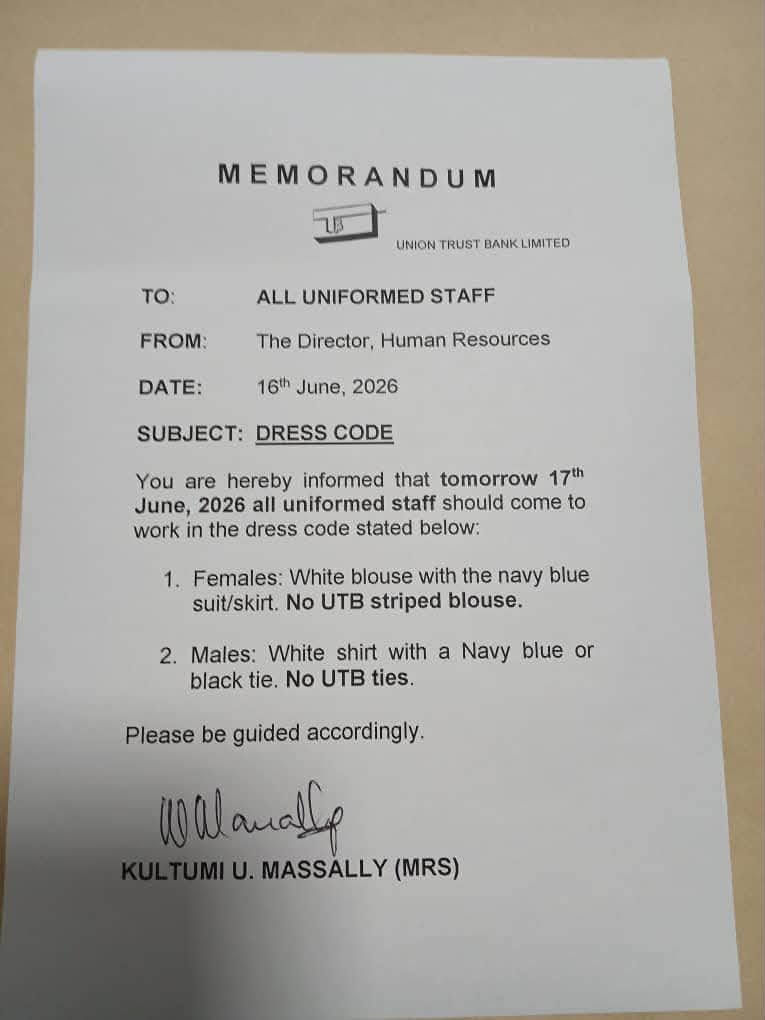
Staff have also been directed to wear Rokel Commercial Bank dress code from June 17, with female staff to wear white blouses with navy blue suits and male staff to wear white shirts with navy blue or black ties.

The central bank has maintained that no staff member has been disadvantaged during the process, with employees continuing to receive full salary, leave benefits, rent allowances, and other approved benefits.


Source link

Union Trust Bank Shareholders Challenges Bank of Sierra Leone Over RCBank Takeover


Shareholders of Union Trust Bank (UTB) have formally petitioned the Bank of Sierra Leone (BSL), requesting an immediate suspension of the central bank’s decision to place UTB under a caretaker management and approve Rokel Commercial Bank (RCB) as its acquirer.

The petition, filed by ACE Legal Partners on behalf of major UTB shareholders and consultant Dr. Jonathan Bangura, alleges significant statutory and constitutional violations in the process that led to the decision.

The petition was submitted in response to BSL’s public notice on December 8, 2025, which declared that UTB would be placed under caretaker management and that RCB would take over the bank.

According to the petitioners, the central bank’s actions contravene the Banking Act, 2019, particularly Section 69, which mandates a 45-day period for UTB to submit a capital restoration plan. They claim that BSL shortened this statutory period to just 30 days, disregarding the required timeframe.

In the petition, which is addressed to the Governor of the Bank of Sierra Leone, the shareholders argue that BSL’s letter of November 14, 2025, directed UTB to submit its capital restoration plan within 30 days. However, they assert that this period was inadequate, as it fell short of the 45 days required under the Banking Act.

The petition also highlights that the central bank failed to honor even the shortened 30-day period. According to the petitioners, the letter, received on November 18, 2025, set a deadline of December 18, 2025, for the submission. However, the resolution date in the BSL’s public notice was approximately 20 days later, in violation of both statutory and constitutional principles.

The petitioners claim that this deviation from the Banking Act not only constitutes a statutory breach but also amounts to a constitutional illegality. Citing Section 105 and Section 171(15) of the Sierra Leone Constitution, they argue that any law inconsistent with the constitution is void and of no effect. As such, the petitioners contend that BSL’s actions, which diverged from the Banking Act, are unconstitutional.

ACE Legal Partners, representing the shareholders, state that they act on behalf of several prominent UTB stakeholders, including Messrs. Sabanor Trust Investment Fund, Aureol Insurance Company, Mr. Mohamed Kwanza, Mr. Yayah Nesser, Ms. Yema Woobay, and Mr. Wusu B. Koroma. Additionally, they represent Dr. Jonathan Bangura, UTB’s consultant and the individual entrusted by the late founder and CEO of UTB, Mr. Sanpha Koroma, to oversee the bank’s succession and fiduciary transition.

The petitioners have outlined three primary requests in their letter to the Bank Governor. First, they call for an immediate suspension of the BSL’s December 8 public notice, asking that all receivership, resolution, and acquisition processes be put on hold pending a transparent and good-faith review.

Second, they demand an urgent meeting involving Dr. Bangura, key UTB stakeholders, the Director of Banking Supervision, and other senior BSL officials to engage substantively on the proposed roadmap for the bank’s future. Finally, they seek approval from the central bank to proceed with UTB’s recapitalization and restructuring plan, which they assert should be carried out under BSL’s direct supervisory oversight.

In support of their position, the petitioners reference several provisions of the Banking Act, 2019, including Sections 116(1), 59, 66, 67, and 69. They also invoke constitutional principles of “fair administrative actions” and common law doctrines such as “legality, reasonableness, proportionality, and procedural fairness.”

The petitioners have expressed their hope that the Bank Governor will give “kind consideration” to their requests and allow for a swift and transparent review of their proposed recapitalization plan under the supervision of BSL. As of the time of writing, the Bank of Sierra Leone has not publicly responded to the petition.

The petitioners argue that the statutory instruments regulating public entities, such as the Bank of Sierra Leone, have quasi-constitutional effect, as they define the scope of executive discretion. They conclude that any deviation from the Banking Act would constitute not just a statutory breach, but a constitutional illegality, with far-reaching consequences for the integrity of the country’s financial system.


Source link