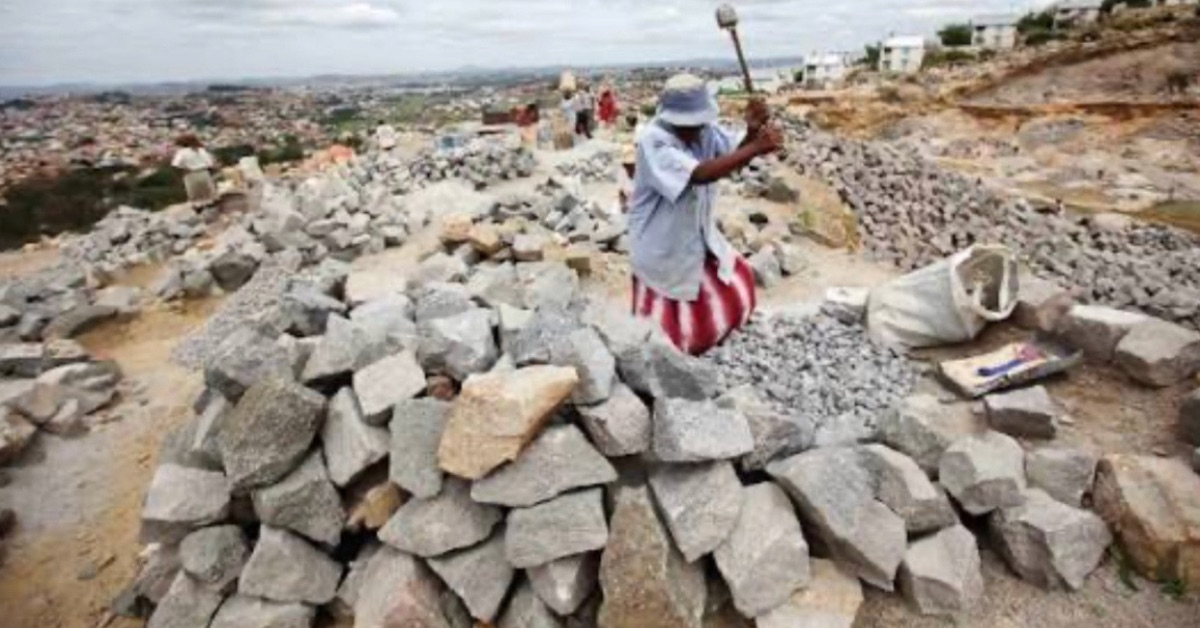
Sierra Leone Urged to Tap Dimension Stone Industry as Global Market Climbs US$7.02 Billion by 2026


Stakeholders in Sierra Leone’s extractive sector have called for greater attention to the country’s dimension stone resources, amid projections that the global market will rise from about US$5.74 billion in 2023 to US$7.02 billion by 2026.

Long-term estimates suggest the industry could reach US$20 billion, driven by increasing demand for construction and modern infrastructure.

Dimension stones, which include natural rocks such as granite, marble, limestone, and sandstone cut into blocks or slabs, are widely used in roads, ports, railways, and housing projects.

Despite their durability and strong market value, the materials remain significantly underutilised in Sierra Leone when compared with diamonds, gold, and bauxite.
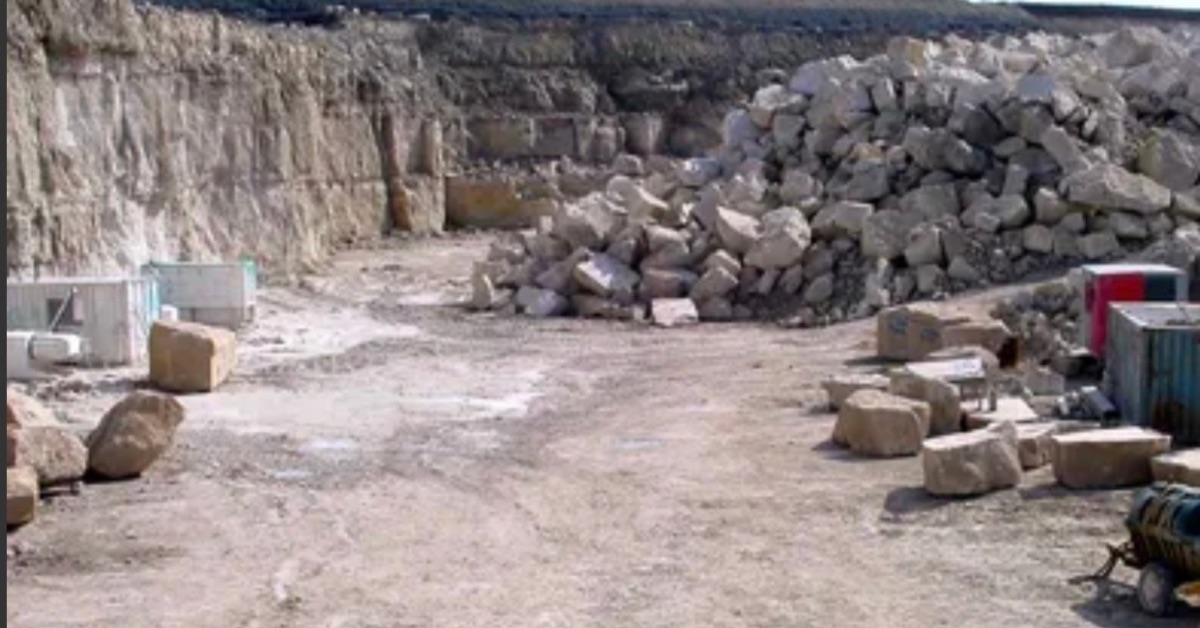
These issues were highlighted during a Civic Engagement Forum convened by the African Centre for Climate Change on “Strengthening Accountability and Transparency in Sierra Leone’s Extractive Sector: Empowering Civil Society to Leverage Public Contract Disclosures for Monitoring and Illicit Financial Flows (IFFs) Reduction.”

The event focused on the economic potential of dimension stones and the need for stronger governance in the sector.

Speaking at the forum, Engineer Hadji Dabo, Director General of the National Minerals Agency (NMA), said the dimension stone industry holds significant promise but faces serious challenges. He pointed to child labour, unsafe artisanal mining, gender inequality, and widespread non-compliance as ongoing concerns.

“Many companies secure quarry licenses but later exploit dimension stones illegally,” Dabo warned, noting that weak oversight has led to revenue losses and environmental damage.

He recalled previous government bans on timber harvesting and stone extraction but said these measures failed to ensure long-term regulatory control. “The seriousness of the issue has compelled the government to establish an institution dedicated to supervising extraction and exportation to enhance transparency,” he said.

Dr. Charles G. Ofori, Policy Lead for Climate Change and Energy Transition at the Africa Centre for Energy Policy (ACEP), urged Sierra Leone not to overlook minerals classified as “small” or of lower commercial value.

“With accurate data we can calculate royalties, reduce leakages, and strengthen accountability. If Sierra Leone takes dimension-stone extraction seriously, it could contribute significantly to GDP,” he stressed.

Participants concluded the discussions with calls for stronger regulatory frameworks, accessible data, and effective taxation. They agreed that if managed responsibly, dimension stones could become a key driver of Sierra Leone’s economic growth and an important addition to the country’s broader extractive portfolio.


Source link

RCBank Engages Market Women, Motorbike, and Keke Riders in SME Development Programme


As Rokel Commercial Bank (RCBank) prepares for its 25th-anniversary celebration, the bank is expanding its Small and Medium Enterprises (SMEs) development programme, targeting market women, Okada riders, and Keke drivers in Freetown.

The Managing Director, Dr. Walton Ekundayo Gilpin, along with his team, recently visited the Salad Ground Market and the bustling Dwarzak intersection to strengthen partnerships and introduce new digital financial solutions aimed at grassroots businesses.

RCBank’s outreach is part of a broader strategy to bring banking services to the informal sector, which constitutes a significant portion of Sierra Leone’s economy. Since launching the SME programme in 2021, the bank has made strides in supporting small businesses across the country.

Now, by focusing on digital payment solutions like QR codes and the Rokel Simkorpor mobile payment app, RCBank is making it easier for market women, Keke riders, and Okada operators to accept payments without handling cash.

Speaking to the traders and riders, Dr. Gilpin emphasized the importance of integrating grassroots businesses into the formal financial system.

Our vision is to take banking to the grassroots because these businesses are the backbone of the economy,” he said.

We want them to understand that they can be part of the financial system by having bank accounts and receiving payments directly into those accounts.”

Dr. Gilpin also highlighted the convenience and security that digital transactions offer. He explained that by using the QR codes or USSD payment methods, even those without cash on hand can quickly make payments via mobile phones. This reduces the need for physical cash, minimizes wear and tear on currency, and alleviates the burden of standing in long queues at the bank.

RCBank’s digitalization efforts aim to make banking more accessible and efficient for everyone, with the ultimate goal of promoting financial inclusion across all sectors of the economy. “We believe that the informal sector holds the key to unlocking much of Sierra Leone’s GDP. By focusing on these businesses, we are connecting with the real drivers of the economy,” Dr. Gilpin added.

The Chairlady of the Vegetable Sellers at Salad Ground revealed that, based on information from the bank’s marketing staff, the institution offers an account known as the “Osusu Account,” which she described as highly beneficial for businesswomen.

She further explained that they often save their money with individuals who disappear without a trace, but with the Osusu Account, this problem would be resolved.

She also mentioned learning about the Visa Card, which makes payments easier when they travel abroad for business.

To secure the educational future of their children, she encouraged her colleagues to consider opening the “Kombra Account” with the bank.

The bank’s initiative was also warmly welcomed by Sorie Kamara, Vice Chairman of the Dwarzark Bike Riders Association, expressed his appreciation, noting how this system would improve security by reducing the need for riders to carry physical cash, which often attracts thieves.

He also emphasized that the ease of digital payments would help resolve frequent disputes between riders and passengers over fares.

As RCBank looks to the future, it aims to continue leading the way in digital banking, enhancing its services to better meet the needs of its customers while driving financial growth and stability throughout Sierra Leone.


Source link

Former Minister’s Locally Produced Rice Hits Kenema Market


Locally produced rice, Eco Rice was made available for sale on Wednesday at Blama Centre at Ahmadiyya Junction in Kenema.

The company producing the rice is owned by former Sierra Leone’s Foreign Affairs and Chief Minister, David Francis.

Locals in Kenema have applauded the effort made by the former minister and his company to make the rice affordable. A bag is priced at NLe 600 and it also comes in 10kg for NLe 120.

Francis, at the start of the project, said the aim is to ensure agriculture is made enviable while also complimenting the effort of the President, Julius Maada Bio. Eco Rice is produced at Ngovokpahun Village located in Small Bo Chiefdom, Kenema District.

This is the second batch of the local rice to hit Sierra Leonean market after 444 acres of farmland rice was sold few years ago.

Addressing the public, the former minister said the success they have made in this short period is a testament that Sierra Leone could achieve food sustainability through agriculture.

He added that they are also engaged in pineapple, guava and other fruit and vegetable farming. He said that these produce do not only have economic benefits but also medicinal values.

The company is said to be leading in the area of mechanised farming and rice production. They successfully milled 1,000 bags bags of parboiled rice for the Ministry of Agriculture while providing technical support to local farmers as well.


Source link